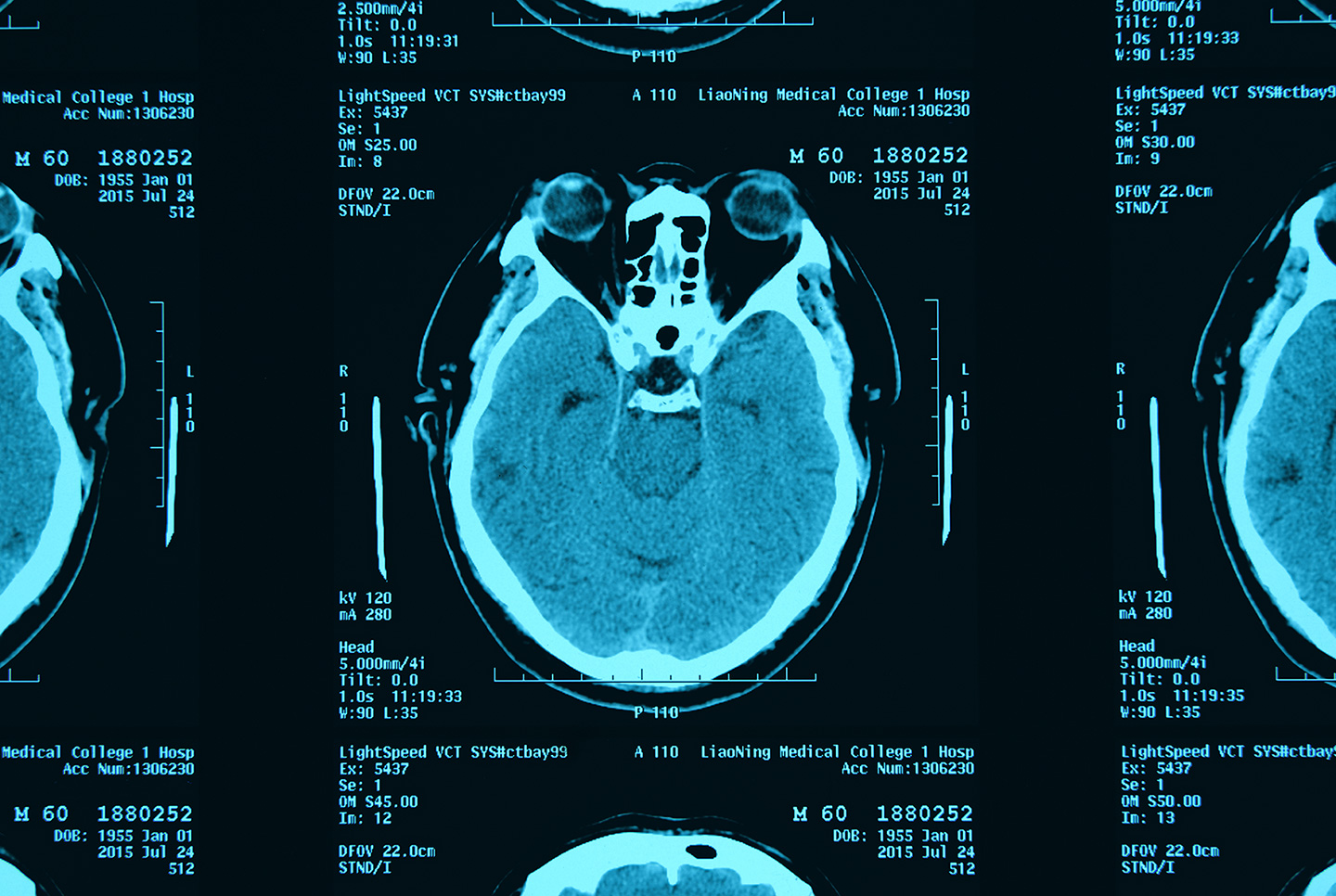
Traumatic brain injury care continues to evolve.
New research, updated clinical guidelines and advances in treatment and rehabilitation are continually adding to what we know about brain injury, recovery and long-term care.
For Harold Bialsky, DC, MA, CRC, CLCP staying current with those developments is particularly important. Harold has served the legal community for more than 30 years as a Life Care Planner and vocational expert, working on behalf of both plaintiff and defense counsel. His work takes him nationwide, with traumatic brain injury representing a significant area of his practice.
His experience with TBI also extends back decades and includes work with individuals with acquired brain injuries, vocational rehabilitation and neurorehabilitation. That background gives Harold a valuable perspective on why advances in the understanding and treatment of brain injury matter when assessing an individual’s future needs.
One timely example is the 4th Annual University of Chicago Neurotrauma Symposium: From Evidence to Impact, taking place September 10–11, 2026.
This year’s symposium focuses specifically on penetrating brain injury (PBI), with particular attention to newly updated clinical practice guidelines, emerging evidence, research priorities and multidisciplinary approaches to acute and longitudinal care.
While penetrating brain injury represents one specific area within the broader spectrum of traumatic brain injury, the issues being explored in Chicago reinforce several important considerations for Life Care Planning.
The theme of this year’s symposium is “From Evidence to Impact.”
It’s an appropriate description of how advances in medicine ultimately reach patients.
Research builds evidence. Evidence informs clinical practice guidelines. Those guidelines can influence how healthcare professionals approach treatment, rehabilitation and ongoing care.
The Chicago symposium is specifically examining how recent guideline updates are changing practice, where gaps and variations in care remain and how evidence-based interventions can be implemented across different healthcare settings.
For a Life Care Planner, keeping pace with these developments matters.
A Life Care Plan is designed to provide an organized picture of an individual’s current and future needs following a catastrophic injury or chronic health condition. That can include medical care, rehabilitation, therapies, equipment, assistance and other resources that may be required over a lifetime.
Understanding the current direction of TBI treatment and rehabilitation helps provide important context when evaluating those needs.
Another major focus of the University of Chicago symposium is multidisciplinary care across both the acute and longitudinal stages of brain injury.
That has particular relevance to TBI.
Depending on the nature and severity of an injury, its effects can extend across cognition, memory, communication, physical abilities, behavior, emotional health and an individual’s ability to function independently.
As a result, treatment and rehabilitation may involve numerous medical and rehabilitation professionals.
For the Life Care Planner, the challenge is to understand how these different pieces of care fit together for the individual being evaluated.
Harold’s own approach includes reviewing medical records, interviewing the individual and, when appropriate, consulting with treating or consulting physicians. In TBI cases, collateral interviews with family members or caregivers can also help provide a more complete understanding of how the injury has affected everyday functioning.
One of the most relevant aspects of the Chicago program from a Life Care Planning perspective is its emphasis on longitudinal care.
The immediate treatment of a traumatic brain injury is only one part of the story.
Needs can change as an individual moves from acute treatment through rehabilitation and into longer-term recovery. Functional abilities may change. The need for therapies, assistance or equipment may evolve. The impact on employment and earning capacity may also become clearer over time.
Life Care Planning requires looking at that larger picture.
Harold’s Life Care Plans project needs across an individual’s lifetime while considering the convergence of aging and disability. The goal is not simply to identify what someone requires today, but to provide an objective and supportable assessment of how those needs may develop over time.
The University of Chicago Neurotrauma Symposium is focused on a particularly complex area of brain injury, but its larger themes have relevance throughout the TBI field: evolving evidence, updated guidelines, multidisciplinary treatment, rehabilitation, longitudinal care and improving patient outcomes.
For a Life Care Planner specializing in TBI, these are developments worth watching.
Life Care Planning is inherently forward-looking. It requires evaluating today’s medical and functional realities while considering needs that may extend years or even decades into the future.
Events like the University of Chicago Neurotrauma Symposium are an important reminder that the science and clinical practice surrounding brain injury continue to move forward.
For professionals charged with assessing the long-term consequences of TBI, keeping pace matters.
©2026 All Rights Reserved.

