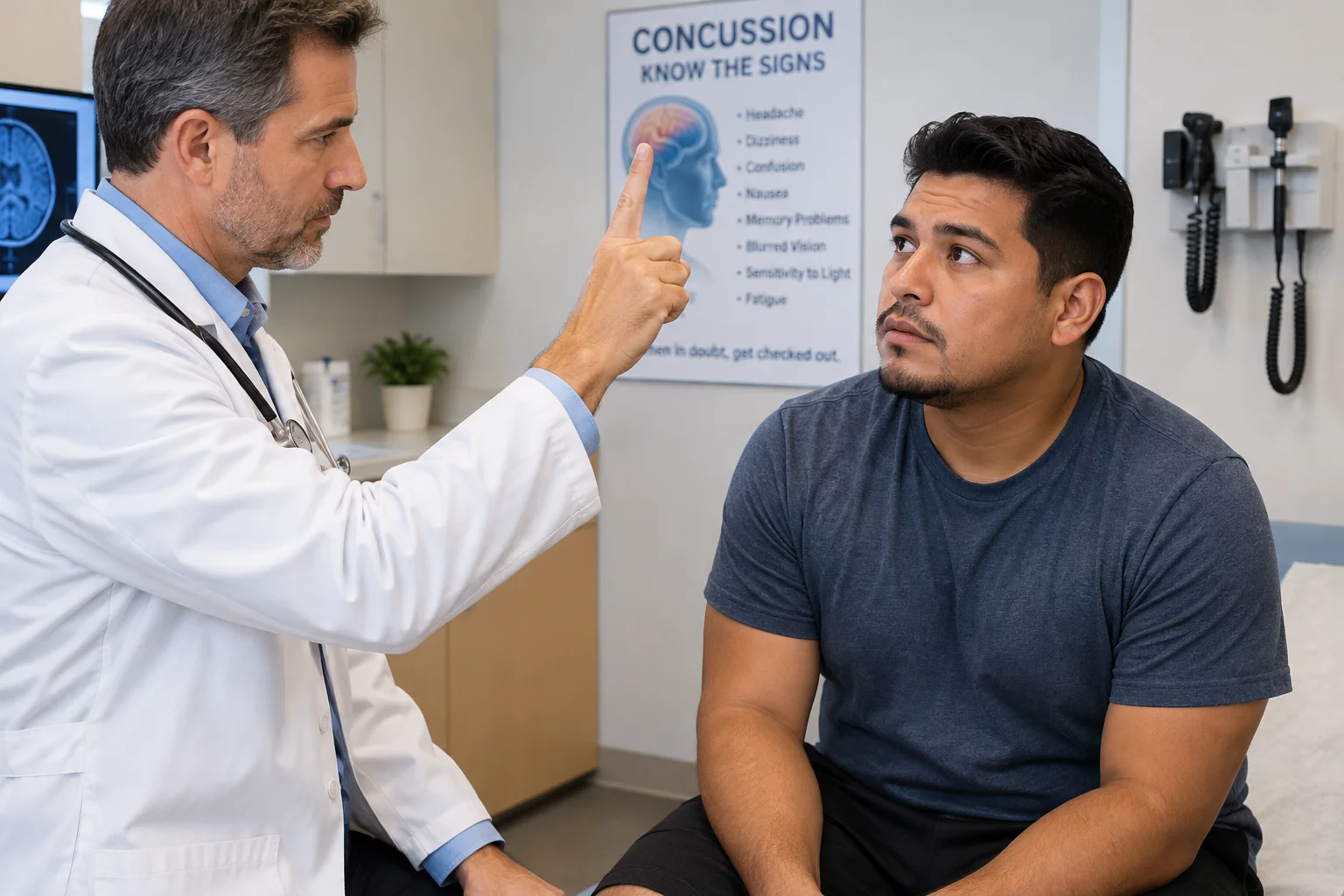
On September 18, 2026, National Concussion Awareness Day brings greater attention to an injury whose effects are not always easy to see. A concussion is a form of mild traumatic brain injury (TBI), and while many people recover relatively quickly, others can experience symptoms that continue to affect their daily lives, relationships and ability to work.
For attorneys handling cases involving traumatic brain injury, that distinction can be important. A person may appear physically recovered while continuing to experience difficulties involving memory, concentration, fatigue, emotional functioning or other areas that influence independence and employability.
For Harold Bialsky, DC, MA, CLCP, CRC, understanding that real-world impact is a critical part of his work. With more than 30 years of experience serving the legal community nationwide, Harold provides Life Care Planning, vocational assessments and expert witness services for plaintiff and defense attorneys. Traumatic brain injury is a significant focus of his practice, supported by his background in acquired brain injury, vocational rehabilitation and neurorehabilitation.
The effects of a concussion are not limited to headaches, dizziness or other physical symptoms.
According to the Centers for Disease Control and Prevention (CDC), mild TBI and concussion symptoms can affect how a person thinks, feels, acts and sleeps. Cognitive symptoms can include problems with attention, concentration and memory, as well as feeling slowed down or having difficulty thinking clearly. Emotional symptoms may include irritability, anxiety or feeling more emotional than usual.
These symptoms can also change during recovery. Some may appear immediately, while others may become apparent hours or days after the injury.
For attorneys, this reinforces an important point: what is readily observable may not tell the complete story of an individual’s functioning after a brain injury.
Medical records are an important part of understanding an injury, but Life Care Planning and vocational assessment can also consider how the individual functions in everyday life.
Can the person maintain attention throughout a workday? Has fatigue changed how long they can remain productive? Are memory or processing difficulties affecting their ability to complete tasks? Can they return to their previous occupation and perform its essential demands?
These questions can become especially relevant when an individual appears physically capable of returning to normal activities but continues to experience cognitive, emotional or functional limitations.
The Brain Injury Association of America notes that brain injury can affect employment through cognitive issues such as attention, memory, communication, reasoning and problem-solving, as well as physical, emotional and behavioral changes.
There is no single timeline for returning to work following a concussion or other TBI.
The CDC notes that return-to-work planning following mild TBI should take symptoms and neurocognitive status into consideration. Depending on the individual and the demands of the job, adjustments may initially be necessary.
This is where vocational assessment can provide important context.
An individual returning to a desk job may face very different challenges from someone whose occupation involves driving, operating machinery, sustained concentration, physical exertion or other safety-sensitive responsibilities. Understanding the requirements of the person’s actual occupation and comparing them with their post-injury capabilities can help provide a clearer picture of employability and vocational options.
A diagnosis identifies the injury. Understanding its impact requires looking at the individual.
In TBI cases, Harold’s approach considers the person’s history, current functioning, rehabilitation needs, vocational abilities and other case-specific factors when developing objective, evidence-based opinions.
That individualized approach is particularly important with an injury whose consequences may not always be visible during a brief interaction.
National Concussion Awareness Day is an opportunity to increase understanding of concussion and TBI. For the legal community, it is also a reminder to look beyond appearances and consider how an injury may affect the way an individual actually functions at home, in the community and in the workplace.
Yes. A concussion is a type of mild traumatic brain injury, or mTBI (mild traumatic brain injury).
Yes. Some individuals may continue to experience cognitive, physical, emotional or sleep-related symptoms even when outward signs of injury are limited.
Yes. Depending on the individual, symptoms involving concentration, memory, fatigue, emotional functioning and other areas may affect work activities or the ability to perform a previous job.
A vocational assessment can examine an individual’s abilities in relation to education, work history, skills and occupational demands to help evaluate employability and vocational options.
No. Traumatic brain injury is a significant focus of Harold’s work, but he also provides Life Care Planning and vocational assessment services in cases involving other catastrophic injuries.
Yes. Harold provides Life Care Planning, vocational assessments and expert witness services for plaintiff and defense attorneys nationwide.
©2026 All Rights Reserved.

